Search has shifted from a list of blue links to a hybrid of AI-generated answers and traditional results. If your strategy still relies on outdated tactics, you are likely losing traffic to answer engines like Perplexity and ChatGPT. The friction today is no longer just about finding keywords. It is about proving your brand's expertise to both human readers and agentic AI models that decide which sites to cite in their summaries.
This list is designed for startup founders, small business owners, and solo creators who need to maintain a high content velocity without a dedicated marketing department. You will find a mix of technical benchmarks, content structuring ideas, and automation strategies that address the 2026 Core Web Vitals and the rise of Generative Engine Optimization (GEO). These items move beyond basic keyword stuffing to focus on how information is actually consumed by modern algorithms.
Treat these tips as a roadmap for the next quarter. Some items focus on foundational on-page adjustments, while others explore how to secure third-party mentions that influence AI recommendation scores. Skim the full list to identify your biggest technical gaps, then pick two or three high-impact tactics to implement this week to start seeing movement in your Google Search Console reports.
1. Prioritize Keyword Placement in the First 100 Words
Google places weight on terms that appear at the very top of a webpage. This foundational principle remains a pillar of on-page SEO because it helps search crawlers identify the primary topic of a page before processing the rest of the document. When a user searches for a specific term, they expect to see that term or a very close variation immediately upon landing.
Modern Large Language Models (LLMs) and generative search engines also rely on this early context. These systems use the first few sentences to categorize the document's intent and determine its relevance to a user's prompt. If your primary keyword is buried in the fourth or fifth paragraph, you risk being overlooked by AI assistants that prioritize clarity at the start of the text.
To apply this, ensure your target keyword appears naturally within the first 100 words of your article. You should avoid long, atmospheric introductions that delay the core subject. For example, if you are writing about B2B lead generation, do not spend three paragraphs discussing the history of marketing before mentioning the phrase. State the problem and your solution using the target keyword early.
This tactic also improves user retention. Readers often scan the first paragraph to confirm they have found the right resource. Seeing the keyword early reduces bounce rates, which provides a secondary signal to search engines that your content satisfies search intent. Review your highest-priority pages this week. If the primary keyword is missing from the introduction, move it up to the first two sentences to strengthen your topical relevance.
"If you bury your primary keyword in the third paragraph, search bots and LLMs will likely ignore the relevance of your entire page."
2. Optimize for AI Overviews and Generative Engine Results
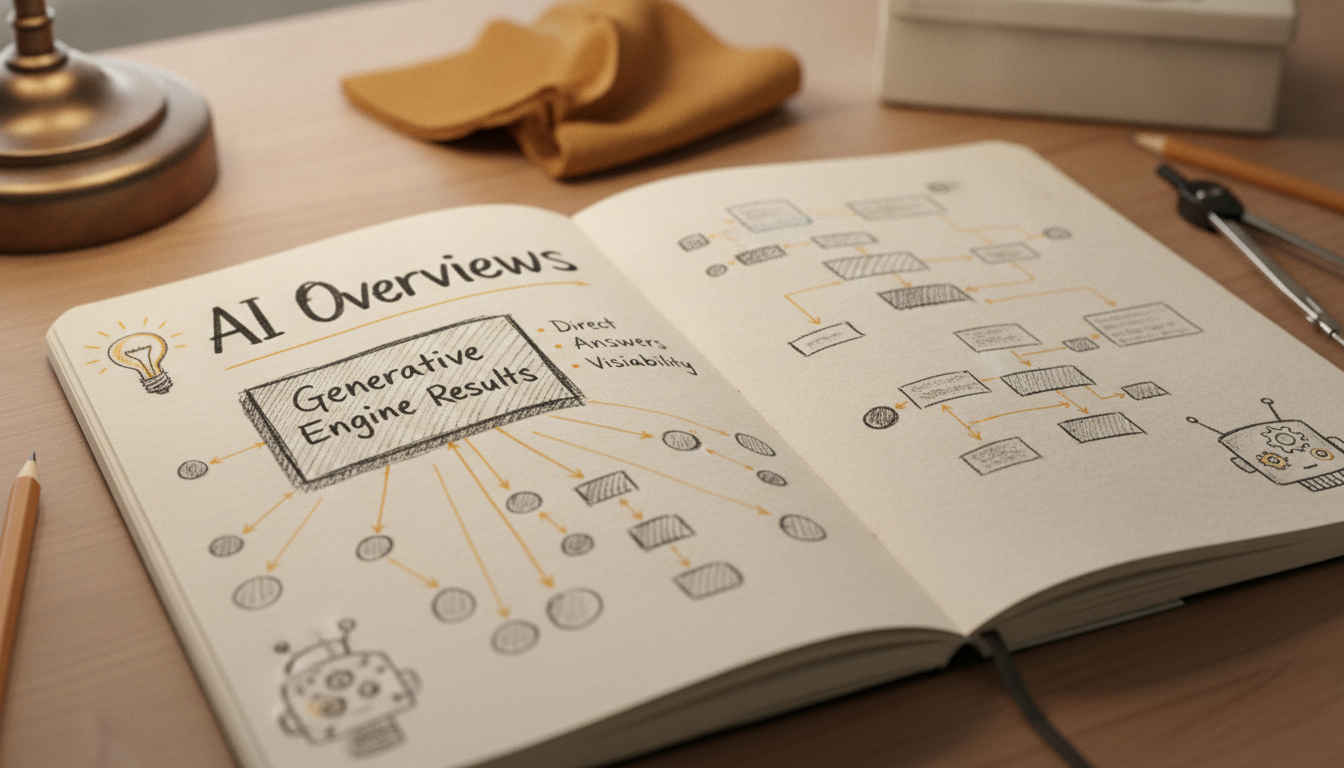
Google's AI Overviews and platforms like Perplexity have shifted the search dynamic from a list of links to a single, synthesized answer. To capture traffic in 2026, you must apply Generative Engine Optimization (GEO) tactics that make your content easily extractable for Large Language Models (LLMs). These models prioritize content that provides immediate utility and clear structure.
Start every major subtopic with a concise summary sentence. AI agents are programmed to find the most efficient answer to a user's query. If you provide a clear, one-sentence definition or solution at the top of a section, you increase the likelihood of being featured as the primary citation in an AI Overview. Use a "Who, What, and Why" framework in your introductory paragraphs to help LLMs categorize your intent within milliseconds of crawling the page.
Focus on providing "Information Gain" by including unique data points or original insights. AI models are trained to filter out redundant content that merely rehashes existing search results. Research shows a 0.41 correlation between third-party mentions and AI visibility, meaning the AI is more likely to recommend you if your unique insights are referenced elsewhere on the web.
Incorporate "citation-worthy" elements such as proprietary statistics, specific case study results, or expert quotes. When you structure these elements using clear headers and bulleted lists, you create a map that AI assistants can follow to credit your site as a source of truth. This approach moves your brand from the bottom of the search results into the AI's generated response carousel.
3. Build Topical Authority with the Hub-and-Spoke Model
Search engines in 2026 prioritize sites that demonstrate a deep, interconnected understanding of a subject. Organize your content into a hub-and-spoke model to dominate a specific niche. This structure proves to both Google and AI discovery engines that you have covered every angle of a topic, which is a primary signal for topical authority.
Start by creating a central hub page. This is a comprehensive guide targeting a broad, high-volume keyword. For a B2B startup, this might be a definitive guide to "SaaS Customer Acquisition." This page should provide a high-level overview of the entire subject without getting bogged down in every minute detail. Its goal is to serve as the foundational resource for that specific theme.
Next, develop your spokes. These are individual articles that dive deep into specific subtopics mentioned in the hub. For the acquisition example, spokes could include "Optimizing LinkedIn Ads for SaaS" or "How to Reduce Churn in the First 30 Days." Each spoke article should target a specific long-tail query that your ideal customers are searching for. This allows you to capture traffic from very specific intents while supporting the broader topic.
The technical execution relies on internal linking. Every spoke must link back to the hub using descriptive anchor text, and the hub should link out to each spoke. This creates a closed loop of authority. When one page performs well, the link equity flows through the entire cluster, lifting the visibility of every related article. This organization also makes it easier for AI agents to crawl your site and understand the relationship between different concepts, increasing the likelihood that your brand is cited as a primary source of information.
4. Showcase E-E-A-T Through Real-World Experience Proof
Google's 2026 ranking systems prioritize the "Experience" component of E-E-A-T to distinguish human-led insights from generic AI output. To rank today, you must prove you have actually performed the work or lived the scenarios you are writing about. This proof serves as a primary filter that search engines use to identify high-value content in an automated market.
Start by integrating first-person narratives into your technical guides and blog posts. Describe a specific B2B campaign you managed, including the exact hurdles you faced and the data-backed results. This approach provides "Information Gain," signaling to search engines that your page offers unique value not found in the baseline training data of large language models.
Visual evidence is another high-impact signal for building trust. Stock photography has lost its effectiveness for SEO; replace generic images with original screenshots of your workflow, phone-captured videos of a process, or custom data visualizations. If you are discussing a software solution or a strategic framework, a short screen recording of the solution in action provides more tangible experience proof than a long list of descriptive text.
Finally, anchor your content to a verified human identity. Every article should feature a detailed author bio that links to external proof of expertise, such as a LinkedIn profile, a professional portfolio, or third-party certifications. Search engines use these connections to verify that the person behind the content has the authority to speak on the topic. When possible, reference your contributions to industry discussions on platforms like Reddit or niche forums, as these external mentions reinforce your brand's trustworthiness for both Google and AI discovery engines.
"AI can fake a lot, but it cannot replicate the specific friction and lessons learned from actually doing the work you describe."
5. Meet the 2026 Core Web Vitals Thresholds
Technical health remains a non-negotiable foundation for ranking. In 2026, Google has tightened the requirements for Core Web Vitals to ensure that users on mobile and AI-integrated browsers experience near-instant load times. If your site fails these metrics, search engines may deprioritize your content in favor of faster competitors, regardless of your content quality.
Focus on three specific benchmarks this year. First, your Largest Contentful Paint (LCP) must be under 2.5 seconds. This measures how long it takes for the main content of a page to become visible. You can often improve this by compressing large hero images and using a Content Delivery Network (CDN) to serve assets from servers closer to your users.
Second, the Interaction to Next Paint (INP) threshold is now 200 milliseconds. This metric reflects a page's overall responsiveness to user actions like clicks or key presses. To hit this target, audit your site for heavy JavaScript execution that locks the main thread. Reducing third-party scripts is usually the fastest way to bring this number down.
Finally, keep your Cumulative Layout Shift (CLS) below 0.1. Layout shifts occur when elements like ads or images load without defined dimensions, causing the text to jump around. Use aspect-ratio CSS properties and set explicit width and height attributes for all media to prevent these jarring shifts.
Regularly monitor these scores through the Core Web Vitals report in Google Search Console. Because AI assistants often browse pages to verify information, a slow or broken technical experience can also prevent your site from being cited in generative answers.
6. Automate Content Execution to Scale Without a Team
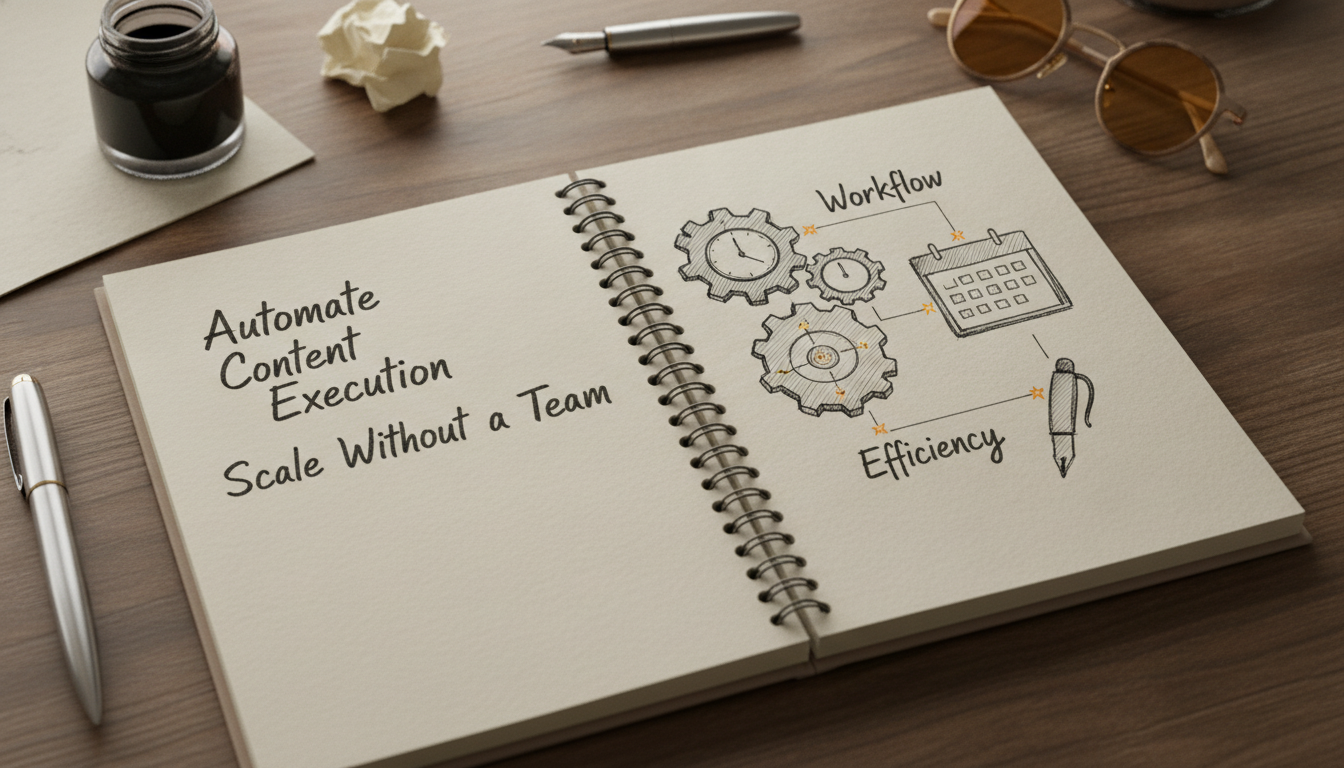
In 2026, the volume of content required to maintain topical authority makes manual production a bottleneck for most small businesses. Search engines and AI assistants prioritize sites that consistently publish fresh, high-quality information. If you are still manually researching keywords, drafting every paragraph, and uploading to your CMS one by one, you will likely fall behind competitors who use automated systems to maintain their content velocity.
The goal is to move from a writer mindset to an editor-in-chief mindset. You define the strategy and the brand voice, but you let software handle the heavy lifting of execution. Tools like Tydal can automate the end-to-end SEO lifecycle by handling keyword research and direct publication to platforms like WordPress or Shopify. This allows a solo founder or a small marketing team to produce a volume of content that would normally require a full agency.
To implement this effectively, start by mapping out your content pillars. Once your strategy is set, automate the following:
- Keyword Discovery: Use tools that identify gaps in your niche based on real-time search data.
- Drafting and Optimization: Use AI-driven systems to generate first drafts that already include your target keywords and structured data.
- Publishing Workflows: Connect your content engine directly to your site so articles go live without manual copy-pasting.
By automating these steps, you ensure that your site remains active and relevant to AI crawlers without burning out your internal resources.
7. Implement Advanced Structured Data for AI Assistants
Traditional SEO focused on helping search engines index pages for keyword matches. In 2026, the priority has shifted toward feeding Large Language Models (LLMs) like ChatGPT and Gemini the specific data points they need to recommend your brand. Structured data acts as a direct map for these AI assistants, allowing them to parse your site with high precision and extract facts without ambiguity.
You should prioritize three specific types of Schema.org markup to ensure your site is AI-ready:
- Product Schema: Include detailed attributes like availability, price history, and user ratings. AI assistants use this to compare your offerings against competitors in real-time.
- Organization Schema: Define your brand's identity, social profiles, and physical locations. This helps AI agents establish trust and verify your credentials across the web.
- FAQ Schema: Provide clear, structured answers to common industry questions. AI discovery engines often pull these directly into conversational responses or citations.
Optimizing your site for AI crawlers involves ensuring your most important business facts are wrapped in JSON-LD. While manual implementation can be tedious for small teams, using a platform like Tydal can help automate the publication of SEO-optimized content that adheres to these technical requirements.
To start this week, use a schema validator to check your current markup. Focus on the FAQ section first, as this is the most common source for AI-generated citations. Clear, structured data significantly increases the likelihood of your business being the recommended choice when a user asks an AI assistant for a specific service or product.
"Schema markup acts as a direct feed for AI agents that would otherwise struggle to parse your product details or pricing accurately."
8. Strengthen Internal Linking to Distribute Page Authority
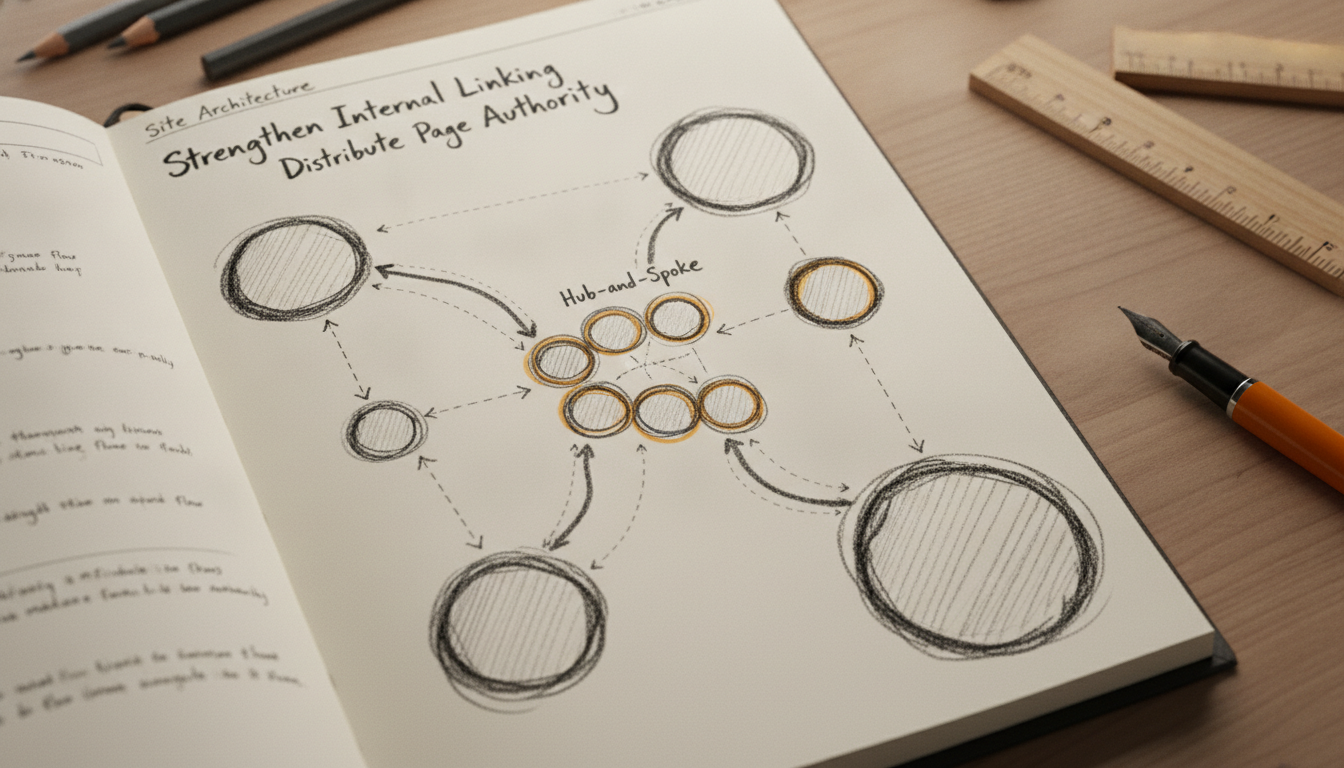
Internal linking is the most direct way to signal to search engines which pages on your site carry the most weight. By connecting your content strategically, you ensure that the authority earned by your high-performing pages flows to newer or lower-ranking articles, helping them climb the search results faster.
The Three-Click Rule
In 2026, search crawlers and AI agents prioritize efficiency. If a high-value piece of content is buried four or five clicks away from your homepage, it risks being ignored or under-indexed. You should map your site architecture so that every important article is reachable within three clicks of the homepage. This structure ensures that the authority of your main domain reaches your deep-level content without being diluted by a complex hierarchy.
Use Descriptive Anchor Text
Generic phrases like "click here" or "read more" are missed opportunities. Use descriptive anchor text that includes your target keywords to provide context to search engines and LLMs about the destination page's topic. If you are linking to a guide on keyword research, use a phrase like "comprehensive keyword research strategy" as the link text. This clarifies the relationship between the two pages and strengthens the topical relevance of your entire site.
Audit for Broken Links Regularly
Broken internal links do more than just frustrate visitors; they waste your crawl budget. When a search bot hits a 404 error, it stops the flow of link equity. Use a standard site auditing tool to identify broken links and redirect them to relevant, live pages. Maintaining a clean internal link profile keeps your site's authority circulating and ensures that AI discovery engines can map your entire content library without hitting dead ends.
9. Secure Third-Party Mentions to Boost AI Recommendation Scores
Generative AI models synthesize information from across the web to determine brand authority. When an AI assistant like ChatGPT or Perplexity recommends a product, it relies on a consensus formed by third-party mentions. Research from Surfer shows a 0.41 correlation between these external mentions and overall AI visibility, suggesting that external validation is a significant driver of generative search rankings.
To improve your recommendation scores, focus on appearing in spaces where AI crawlers frequently gather data:
- Reddit and niche forums: AI models weight community discussions to gauge real-world sentiment.
- Industry-specific news sites: High-authority citations act as a trust signal for Large Language Models (LLMs).
- Digital PR: Getting featured in expert roundups provides the structured context AI needs to categorize your business.
Building this presence requires a consistent stream of high-quality content that others want to link to or discuss. While you focus on community engagement, Tydal can handle the heavy lifting of publishing the SEO-driven articles that establish your foundational authority.
AI agents are designed to minimize risk by recommending businesses that appear frequently in diverse, reputable sources. If your brand is invisible on third-party platforms, you likely will not appear in AI Overviews, even if your on-page SEO is perfect. Identify three niche communities where your target audience hangs out and contribute value there to trigger the mentions that AI engines crave.
10. Track Generative AI Performance in Google Search Console
Google Search Console provides a Search Generative AI performance report, which became available to all site owners in August 2026. This specific reporting suite allows you to move beyond traditional click and impression data by showing exactly which queries trigger an AI Overview where your site is cited as a source. Use this tool as your primary source of truth for AI visibility, as it provides direct data from Google's own generative search engine.
To improve your visibility, audit the pages that appear in traditional search results but are missing from AI citations. This gap often indicates a lack of "Information Gain." AI engines prioritize content that adds new value rather than repeating existing top-ranking information. You can often fix this by inserting original data, unique case studies, or a clear summary block that the LLM can easily parse and attribute.
Review the "Search Generative AI" report monthly to identify high-volume queries where your brand is cited. If you notice a high citation rate but low traffic, it suggests the AI is answering the user's question entirely within the search interface. To capture that traffic, provide "deep-dive" content like complex templates or proprietary research that the AI summary cannot fully replicate. This ensures your site remains a destination for users seeking comprehensive details rather than just a quick answer.
Frequently Asked Questions
What are the best SEO optimization tips for 2026?
Focus on Generative Engine Optimization (GEO) and high-quality content velocity. Prioritize placing keywords in the first 100 words and ensuring your site meets the 2026 Core Web Vitals thresholds for speed and stability.
How do I rank in Google AI Overviews?
Structure your content with clear summary blocks and concise answers to specific questions. Google's AI models prioritize content that provides unique Information Gain and is supported by strong E-E-A-T signals like original research.
Does keyword placement still matter for SEO?
Yes, placing your primary keyword within the first 100 words remains a critical signal for both search crawlers and AI models. This early placement helps algorithms quickly categorize your content's intent and relevance to the user's query.
How can small businesses automate their SEO?
Small businesses can use platforms like Tydal to automate the entire content lifecycle from keyword research to direct publication on WordPress or Shopify. This allows small teams to maintain the high content volume required to compete with larger enterprises without hiring a dedicated staff.
What are the Core Web Vitals requirements for 2026?
Websites must maintain a Largest Contentful Paint (LCP) under 2.5 seconds and an Interaction to Next Paint (INP) below 200ms. Cumulative Layout Shift (CLS) should remain under 0.1 to ensure a stable and fast user experience.
Why are third-party mentions important for AI search?
AI assistants like ChatGPT and Perplexity use third-party mentions on sites like Reddit and niche forums to verify brand authority. There is a strong correlation between external validation and the likelihood of being cited in an AI-generated answer.
Implementing these SEO optimization tips requires a balance of technical precision and consistent content execution. By focusing on AI visibility and site performance, you can secure a competitive advantage in the 2026 search landscape. Start with the highest impact changes to your on-page structure and gradually integrate automation to scale your organic growth.