How do you scale organic traffic when you cannot afford a 3,000 dollar monthly agency retainer or a full-time content manager? For most small businesses, the choice is no longer just about which agency to hire, but whether to hire a human team at all. The standard for success has shifted from simple keyword rankings to maintaining a constant presence across both traditional search engines and emerging AI platforms.
Modern SEO evaluation requires looking at two distinct outputs: traditional Google rankings and visibility within AI tools like ChatGPT or Perplexity. A service that only fixes your technical site speed is doing half the job. You need a workflow that handles keyword research, content production, and direct publication without creating a bottleneck for your existing staff. This is where the divide between high-touch agencies and automated software becomes the most visible.
The current market is split between full-service agencies that provide deep strategy and automated platforms that replace the labor of writing and publishing. Agencies like WebFX or SmartSites offer proprietary data insights and technical cleanup, while automation tools like Tydal or Frizerly focus on high-volume content creation to satisfy both search engines and generative AI models. Choosing the right fit depends on whether you need a consultant to tell you what to do or a system that does the work for you.
Use this list to match your specific labor capacity to the right service model. If you have zero time to manage a writer or an agency contact, look toward end-to-end automation that handles the entire lifecycle from planning to publishing. If you have a complex ecommerce setup that requires custom technical fixes and a large budget, a specialized agency remains the better investment. We have prioritized services that address the 2026 shift toward Generative Engine Optimization (GEO) to ensure your business remains visible as search behavior changes.
The 2026 Small Business SEO Landscape: Agency vs. Automation
Small businesses in 2026 face a stark choice between high-touch human management and high-velocity software. Data shows the average cost of SEO services has reached $2,917 per month, with roughly 63% of businesses committing between $500 and $5,000 monthly to maintain their rankings. While 61% of marketers prioritize search as their primary growth channel, the definition of search is expanding beyond the traditional blue links on a results page.
Traditional agencies typically charge retainers starting at $2,500 to cover the labor of manual keyword research, technical audits, and content drafting. This model works for companies with established budgets, but it often creates a bottleneck for startups that need to scale quickly without adding headcount. Modern search now includes Generative Engines like ChatGPT and Perplexity. Ranking here requires a different workflow than traditional Google optimization, focusing on how AI models cite and recommend brands.
The shift toward automation reflects a need for efficiency. Businesses are moving away from the slow cycle of manual content production. They are looking for ways to handle the entire SEO lifecycle, from planning to publishing, without the overhead of a full content team. Whether you choose a full-service firm or an automated platform depends on your internal capacity to manage the process. If you have the budget but no time, an agency provides a hands-off experience. If you have a digital-first growth strategy but limited staff, automation allows you to compete with larger competitors by producing high-quality, SEO-optimized content at a fraction of the traditional cost.
1. Tydal: Best for Automated Content & GEO Visibility
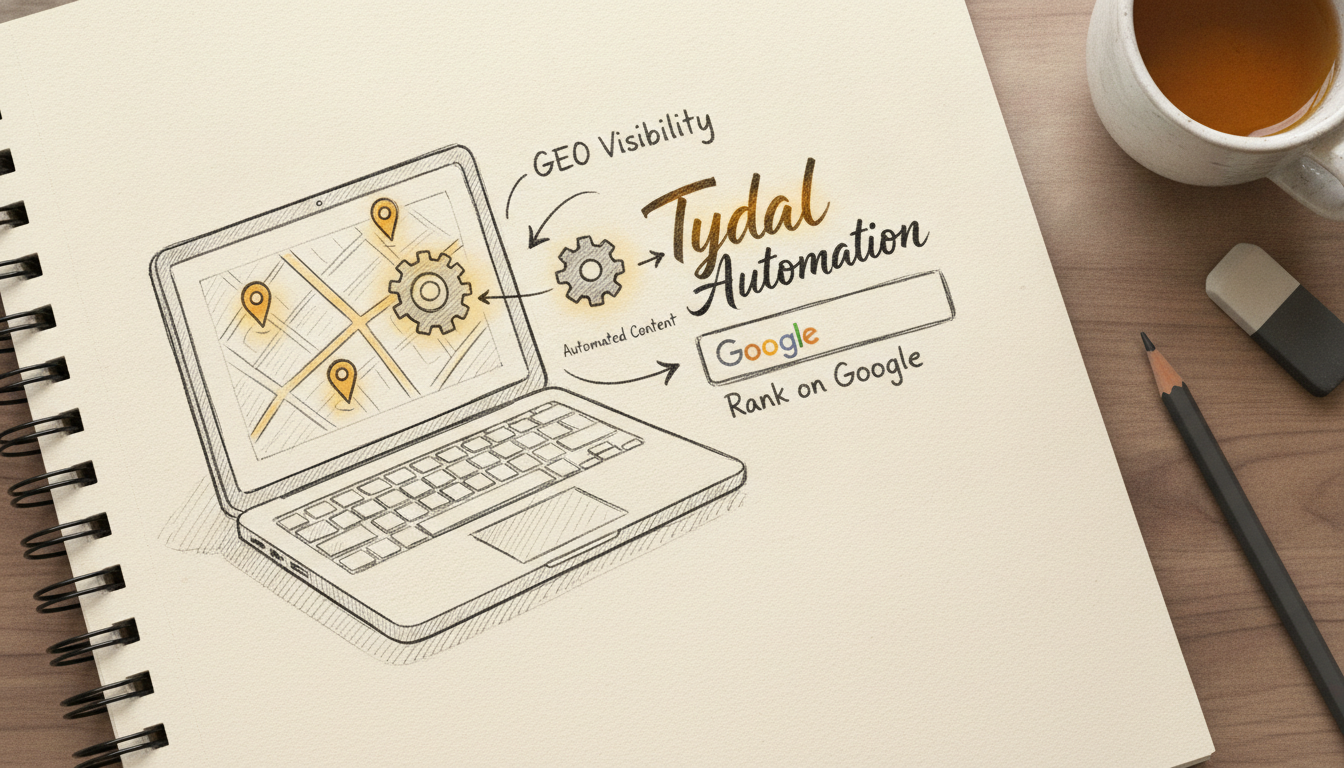
Tydal is an automated SEO content platform built for startups and small teams that need to scale organic traffic without hiring a dedicated content department. It manages the full lifecycle of search growth by handling everything from initial keyword planning to direct publishing on your CMS. This approach allows small business owners to maintain a consistent search presence without the overhead of managing a roster of freelancers.
The primary draw here is the shift from managing people to managing a system. While traditional services require constant communication with account managers or writers, Tydal operates as an end-to-end workflow that keeps your site active and relevant on both Google and newer AI search platforms. It is designed to solve the content bottleneck for teams that have more ambition than bandwidth.
Best for Startups and creators needing a full content team replacement
This platform fits businesses that find manual content creation too complex or time-consuming to maintain consistently. It is particularly useful for founders who want to establish authority in their niche but lack the budget for a 3,000 dollar monthly agency retainer. It effectively acts as a digital content engine that runs in the background while you focus on your core product.
What stands out in actual use:
- End-to-end automation: The platform handles keyword research, AI-driven writing, and direct publication, removing the manual bottleneck of copying and pasting drafts.
- GEO focus: It optimizes content for Generative Engine Optimization, increasing the chances your business is cited by tools like ChatGPT and Perplexity.
- Workflow clarity: By automating the schedule, it ensures your domain remains fresh in the eyes of search crawlers without requiring weekly oversight.
Tydal is not built for large enterprises that already have established internal content departments or complex editorial review boards. If your brand requires multiple layers of human legal or creative approval for every sentence, a fully automated pipeline might feel less granular than you need. It is a growth tool for lean teams, not a collaborative editor for a 50-person marketing staff.
Tydal represents the modern software-as-a-service alternative to the traditional agency model, focusing on high-volume organic growth through smart automation.
Why it stands out for Generative Engine Optimization (GEO)
SEO is no longer restricted to blue links on a results page. As searchers move toward AI-driven answers, Tydal specifically targets visibility within Large Language Models (LLMs). This means the content is structured to be easily parsed and cited by AI tools like ChatGPT and Gemini. This forward-looking approach is a distinct advantage over legacy SEO service packages that still focus exclusively on 2010-era ranking signals.
Where it works best
I recommend using Tydal when your goal is to build a content moat quickly. For a small B2B startup, having 50 high-quality, keyword-targeted articles published in two months is often more valuable than one perfect piece published once a quarter. It works best for teams that value speed and search visibility. A practical rule for using this tool: let the automation handle the broad top-of-funnel educational topics, and save your limited human energy for your most sensitive brand announcements.
"Automated local tagging keeps your site visible without the high hourly cost of a manual content team."
2. WebFX: High-Touch Management and Data Insights
WebFX operates as a full-service digital marketing agency for small to mid-sized businesses that want to outsource their entire search strategy to a dedicated team. They handle the technical heavy lifting, from deep site audits to keyword mapping and content creation, acting as an extension of your internal marketing department.
The core advantage of working with WebFX is their proprietary technology platform, MarketingCloudFX. This tool aggregates data to track ROI with precision, giving you a clear view of how organic search efforts translate into actual revenue. This level of transparency is useful for businesses that need to justify marketing spend to stakeholders through concrete data.
Best for mid-sized businesses requiring high-touch agency management
This service fits companies that have outgrown DIY tools and need a dedicated team to manage complex SEO requirements. It is particularly effective for businesses that operate across multiple platforms and need a unified view of their performance across search and social channels.
What stands out in actual use:
- MarketingCloudFX: This platform provides deep data insights and ROI tracking that goes beyond standard Google Analytics reports.
- Full-Service Execution: They cover everything from technical cleanup and site speed optimization to off-page link building and content production.
- Broad Integration: The team manages presence across Shopify, Amazon Ads, and Meta, making it a strong choice for multi-channel retailers.
- Strategic Audits: Their website SEO audits identify deep-seated technical issues that often hinder growth on larger, more complex sites.
The primary barrier for many startups is the cost. With monthly retainers typically starting at 2,500 dollars and scaling up to 7,500 dollars, WebFX represents a significant investment compared to automated software. It can be overkill for solo creators or micro-businesses that only need basic content updates rather than a comprehensive, high-touch agency relationship.
WebFX is a premium agency solution for established small businesses that value data-driven decision-making and want to offload the entire SEO process to human experts.
3. Frizerly: Best for Micro-Budgets and AEO
Frizerly targets micro-businesses and individual founders who need to maintain a search presence without the high overhead of a traditional agency or a complex software stack. It operates as an autopilot system, handling the heavy lifting of keyword discovery and content generation for those who lack the time to manage SEO manually. At a starting price of $49 per month, it provides an accessible entry point for startups that are just beginning to build their organic footprint.
The platform connects directly to Google Search Console to identify ranking opportunities based on actual performance data rather than guesswork. Once set up, it writes and publishes blog posts directly to your CMS, ensuring your site stays active and relevant to search engines without requiring daily oversight. This makes it a practical choice for business owners who need to focus on operations while their content grows in the background.
Best for Micro-businesses focused on low-cost AI automation
This tool fits solo entrepreneurs or small teams with a strict budget who want to capture traffic from both traditional search and newer AI platforms. It is particularly useful for those who want to avoid the high monthly retainers common with high-end agencies while still benefiting from modern search trends.
What stands out in actual use:
- Automated Keyword Discovery: Pulls data from Google Search Console to find low-hanging fruit keywords where your site already has a foothold.
- AI and GEO Optimization: Specifically formats content to increase the chances of being cited by LLMs like ChatGPT and Gemini.
- Hands-off Publishing: Integrates with Shopify, WordPress, and Webflow to post content automatically.
Users should note that Frizerly offers less control over specific editorial nuances compared to manual writing services. It is a volume-driven tool for automated blogging rather than a solution for high-touch, full-funnel marketing strategy or complex technical SEO audits. If you require highly specific brand voice guidelines, the automated nature may feel restrictive.
It serves as a strong entry-level choice for those prioritizing cost and automation over granular creative control.
4. Hike SEO: Best for DIY Guided Strategy
Hike SEO is a platform built for small business owners who want to manage their own search growth without the high cost of a monthly agency retainer. It bridges the gap between complex enterprise software and basic free tools by providing a structured roadmap for users who have the time to execute tasks but lack deep technical expertise.
The platform centers on clarity and action. It translates dense SEO data into a manageable list of tasks, making it a strong choice for founders who want to understand why they are making specific changes to their site while maintaining full control over the execution.
Best for DIY owners who want a guided strategy without the agency price tag
This tool fits small marketing teams or solo founders who need a consultant in a box. If you are comfortable logging into your CMS to update meta tags or adjust page content but need someone to tell you exactly which pages to prioritize, Hike provides that direction.
What stands out in actual use:
- Kit AI SEO Expert: An AI assistant that analyzes your site and generates a prioritized to-do list, removing the guesswork from keyword targeting and technical fixes.
- Local SEO Focus: Specific tools for optimizing your Google Business Profile, which is vital for service-based businesses looking to capture local search traffic.
- CMS Integrations: Direct connections with WordPress, Shopify, and Wix allow the platform to pull data and provide platform-specific instructions for on-page changes.
The primary limitation is the labor requirement. Hike SEO is not a done-for-you service; it is a done-with-you tool. You or a team member must be available to approve Kit's suggestions and manually implement the recommended changes. Businesses looking for total automation or a hands-off experience might find the constant need for manual input tedious.
At approximately $95 per month, Hike SEO offers a cost-effective way to professionalize your search strategy. It is a solid middle-ground option for those who want to learn the ropes while seeing tangible ranking improvements.
"A DIY dashboard only works if you commit to the weekly tasks instead of letting the subscription sit idle."
5. SmartSites: Best for Verified Agency Performance
SmartSites operates as a full-service digital marketing agency for businesses that prefer a high-touch, human-led approach over software-only solutions. They specialize in technical SEO audits and site speed optimization, making them a strong fit for established small businesses that have outgrown basic DIY tools and need a professional team to handle the heavy lifting of backend site health.
The agency maintains a reputation for transparency, largely built on a massive volume of verified client feedback. They focus on measurable growth by combining organic search strategies with technical precision, ensuring a website captures traffic through a stable and fast user experience. This methodology suits companies that want a partner to manage the complexities of search algorithms while they focus on their core operations.
Best for businesses seeking a top-rated, review-verified agency
This service fits teams that want the security of a proven track record and a dedicated account manager. It is particularly effective for B2B companies in competitive niches where technical precision and site performance are the primary barriers to ranking higher on Google.
What stands out in actual use:
- Technical SEO focus: They prioritize backend health and site speed to ensure search engines can crawl and index pages efficiently.
- Verified performance: As a leader on Clutch, the agency provides a deep library of case studies and thousands of reviews across diverse industries.
- Multi-channel strategy: Clients can integrate SEO with PPC campaigns to create a comprehensive digital presence that covers both paid and organic search.
The agency model naturally results in slower turnaround times compared to automated content platforms. Because every deliverable requires human review and manual execution, the costs are project-dependent and can scale beyond the budget of a bootstrapped startup or a solo creator. Businesses needing rapid content volume might find the manual agency pace a bottleneck.
SmartSites is a premium choice for businesses that value human expertise and verified reliability. It bridges the gap between basic SEO and enterprise-level management for those with the budget to support a professional agency retainer.
6. OuterBox: Best for Ecommerce SEO Specialization
OuterBox is a specialized agency that focuses on the technical and commercial complexities of online retail. While general SEO services often treat every site the same, this team builds strategies specifically for platforms like Shopify, Magento, and BigCommerce. They handle the heavy lifting of technical cleanup and product page optimization to ensure your inventory actually shows up when customers are ready to buy.
The core advantage here is their focus on bottom-of-funnel keyword targeting. They prioritize terms that drive direct sales rather than just chasing high-volume, low-intent traffic. This workflow bridges the gap between traditional search visibility and conversion rate optimization, making them a strong partner for businesses that need their organic search efforts to reflect directly in their revenue reports.
Best for Ecommerce Brands Needing Specialized Search Growth
This service fits established online retailers who have outgrown basic SEO plugins and need a more aggressive, data-driven approach to compete in crowded marketplaces. It is particularly effective for stores with large catalogs where manual optimization is no longer feasible.
What stands out in actual use:
- Platform-Specific Technical SEO: They address the unique code structures and canonical issues common in Magento and Shopify stores to prevent duplicate content penalties.
- High-Intent Keyword Mapping: The strategy focuses on product and category terms that signal a high probability of purchase.
- Integrated Paid Search: They often combine SEO with PPC management to create a holistic digital strategy that captures both organic and paid real estate on the search results page.
Because OuterBox leans so heavily into the ecommerce space, they are less ideal for service-based startups or B2B companies that do not sell physical products. Their premium pricing also reflects this specialized industry focus, which might put them out of reach for micro-businesses just starting their digital journey.
OuterBox serves as a high-end agency solution for retailers who need a partner that understands the nuances of online shopping carts and search intent better than a generalist firm.
How to Choose: Agency vs. Automation vs. DIY
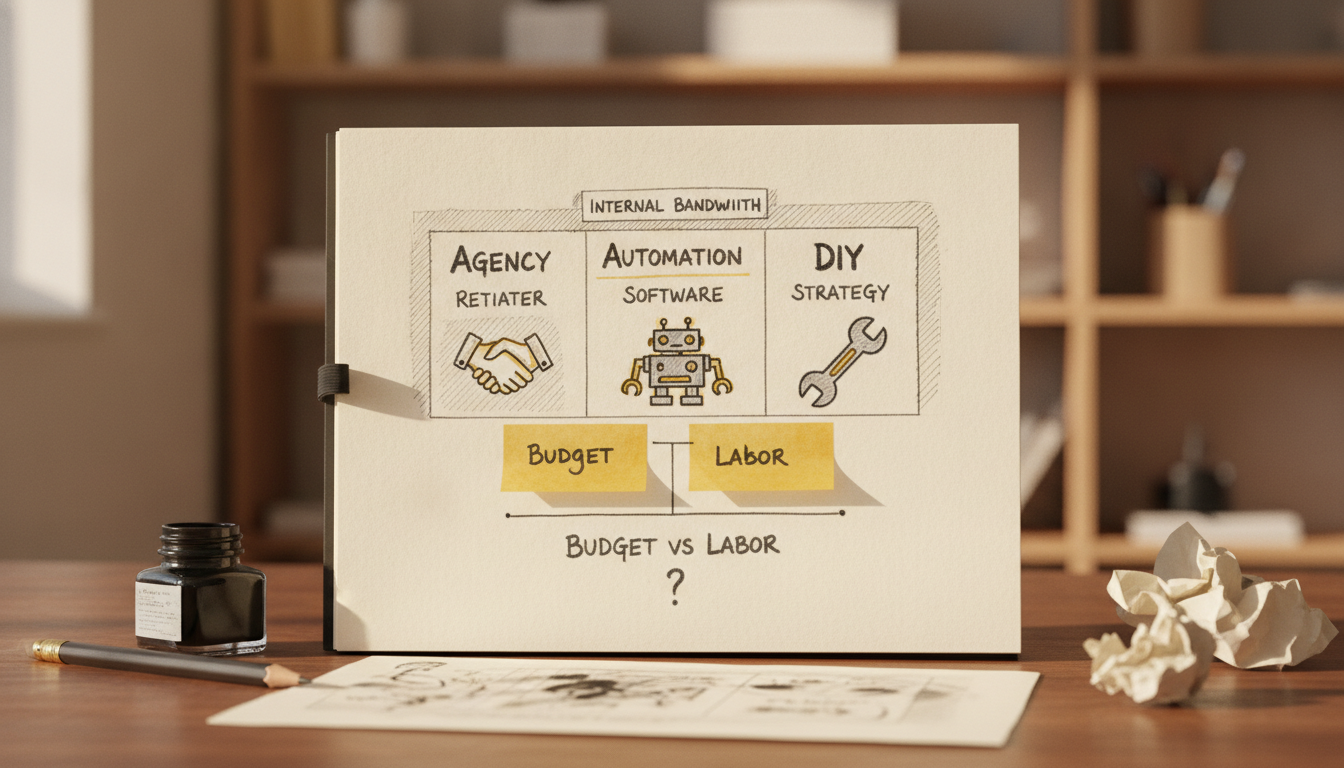
Selecting the right small business seo services depends on two variables: your monthly budget and how many hours you can personally commit to the keyboard. The market has split into three distinct lanes, each serving a different stage of business growth.
High-touch agencies like WebFX or SmartSites are the standard choice if you have a monthly budget of $2,500 or more and a website with deep technical issues. These teams handle the heavy lifting of backlink building and site speed audits. You are paying for their expertise and the time they save you, but you should expect a slower turnaround as human teams coordinate across multiple clients.
Automation platforms like Tydal offer a modern alternative for startups and creators who need to scale organic traffic without hiring a content team. This approach works best when your goal is high-volume content production and visibility on AI platforms like ChatGPT and Perplexity. Automation handles the keyword research, writing, and publishing lifecycle on autopilot, making it the most efficient choice for businesses that cannot afford a $3,000 monthly retainer but need more than a basic tool.
DIY software like Hike SEO is the entry point for owners with more time than capital. You will likely spend 5 to 10 hours a week executing tasks yourself based on guided to-do lists. This path is ideal for learning the fundamentals of local search and Google Business Profile management before scaling up to more hands-off, automated solutions.
"Choose your service based on your actual weekly availability, because an unused tool is the most expensive option on this list."
Top 6 Small Business SEO Services: Features & Pricing Comparison
| Service Type | Monthly Cost | Labor Required | Primary Deliverable | AI/GEO Support |
|---|---|---|---|---|
| Tydal | Automated Software | Low (Automated) | SEO Content & GEO | Yes |
| WebFX | Full-Service Agency | $2,500 - $7,500 | Full-Funnel SEO | Yes |
| Frizerly | Automated Software | $49 - $149 | Blog Content & AEO | Yes |
| Hike SEO | DIY Software | ~$95 | Guided SEO Strategy | Yes |
| SmartSites | Full-Service Agency | Project-dependent | Technical & On-page SEO | Yes |
| OuterBox | Full-Service Agency | Project-dependent | Ecommerce SEO | Yes |
Choosing the Right SEO Service Based on Your Growth Bottleneck
Selecting an SEO partner in 2026 requires identifying whether your primary constraint is money, time, or technical expertise. Small businesses with a healthy marketing budget and complex technical needs often find the most value in high-touch agencies like WebFX or SmartSites. These firms handle the heavy lifting of site audits and backlink building, which is ideal if you have the capital to outsource the entire department. If you are running a Shopify or Magento store, OuterBox provides the specialized ecommerce focus needed to rank product pages in a crowded market.
For founders who have more time than money, DIY tools like Hike SEO offer a middle ground. You get a guided roadmap and actionable tasks, but you still have to do the work yourself. This is a solid choice for those who want to learn the mechanics of search without the four-figure monthly retainer of a traditional agency. Meanwhile, micro-businesses looking for a hands-off approach on a strict budget might look toward Frizerly to keep a blog active with minimal oversight.
If your biggest bottleneck is content production, the traditional agency model often fails because it cannot scale volume fast enough without massive costs. This is where modern automation becomes the better path. For startups and creators who need to establish authority on Google and stay visible in AI tools like ChatGPT or Perplexity, Tydal is a strong place to start. It handles the keyword research, writing, and publishing automatically, effectively replacing the need for a dedicated content team while focusing on the new reality of Generative Engine Optimization (GEO).
Before committing to a long-term contract, I recommend testing these services based on their actual output rather than their marketing promises. Many agencies will offer a free audit, while software platforms typically provide a trial or a low-cost entry tier. Use these opportunities to see if the content produced matches your brand voice and if the technical recommendations are actually actionable for your specific website setup.
Frequently Asked Questions
How much do small business SEO services cost in 2026?
Small business SEO services typically cost between $500 and $5,000 per month, with the average monthly retainer sitting at $2,917. Some automated software solutions offer lower entry points starting around $49 to $150 per month. Your total cost will depend on whether you choose a high-touch agency or a self-service automation platform.
What should be included in a basic SEO package for small businesses?
A standard package usually includes technical website audits, keyword research, on-page optimization, and local SEO management for your Google Business Profile. Many modern providers also include content creation and Generative Engine Optimization to ensure your business appears in AI-driven search results. The goal is to cover both the technical health of your site and the relevance of your content.
How long does it take to see results from small business SEO services?
Most businesses begin to see measurable improvements in organic traffic and rankings within three to six months of consistent optimization. Highly competitive industries may take longer to show significant movement on the first page of search results. Using automated content tools can sometimes accelerate this timeline by increasing the volume of indexed pages more quickly than manual production.
Is it better to hire an SEO agency or use SEO software?
The choice depends on your available budget and the amount of time you can dedicate to managing the process. Agencies provide expert strategy and handle technical implementation but require higher monthly investments. Software is more affordable and ideal for businesses that need to scale content production or manage their own growth without a large team.
How do I choose the best SEO company for my small business?
Look for companies with verified client reviews and a proven track record in your specific industry or niche. Ask potential partners how they handle the shift toward AI search and whether they provide transparent reporting on ROI. It is helpful to start with a service that offers a free audit or a trial period to test their output before committing to a long-term contract.
How does AI automation help with small business SEO?
AI automation handles time-consuming tasks like keyword planning, content writing, and direct publication to your website. Platforms like Tydal allow startups to maintain a high volume of SEO-optimized content without the need for a dedicated internal team. This approach ensures your business stays visible on both traditional search engines and generative AI platforms like ChatGPT.