Does your current ai-powered writing tool actually save you time, or are you spending more hours prompting, editing, and manually uploading drafts than you would have spent writing from scratch? For most businesses, the value of AI writing software is no longer about generating a block of text. It is about how that text fits into a larger, repeatable workflow that drives measurable results like organic traffic or brand consistency.
Evaluating these tools requires looking past the chat interface to the underlying architecture. A tool designed for a novelist needs a story bible to track character arcs, while a tool for a startup founder must prioritize SEO keyword integration and direct-to-CMS publishing. The real divide in the current market exists between writing assistants that help you polish sentences and growth engines that handle the heavy lifting of research, optimization, and distribution.
You will find three main categories in this roundup. First, there are end-to-end SEO platforms like Tydal that manage the entire lifecycle from keyword planning to live publication. Second, enterprise-grade tools like Jasper and Writer.com focus on brand governance and data security for large teams. Finally, specialized creative tools like Sudowrite target fiction authors who need deep narrative continuity rather than search engine rankings.
Use this list to match a tool to your specific bottleneck. If you are a solo creator struggling with the manual labor of SEO, focus on automation capabilities. If you are part of a marketing agency, look for brand voice controls and bulk generation features. We have tested these tools based on their ability to produce publishable content that meets the high standards of both human readers and search algorithms.
The Evolution of AI-Powered Writing: From Assistants to Growth Engines
The market for an ai-powered writing tool has matured beyond the novelty of generating a single paragraph. Early users treated AI as a digital pen, but modern teams now require systems that manage the logistics of growth. We are seeing a distinct shift from simple writing assistants to comprehensive growth engines that handle the heavy lifting of SEO.
A standard writing assistant helps you finish a sentence or fix a grammatical error. A growth engine like Tydal manages the entire lifecycle of a page. This includes identifying high-intent keywords, generating research-backed drafts, and publishing the final piece directly to your website. For startups and content creators, this automation removes the manual bottlenecks that usually require a full content team.
In 2026, SEO requires more than just high-quality text. Search engines and AI discovery platforms, such as ChatGPT, prioritize consistency and topical authority. Manual content creation is often too slow to keep up with these requirements. Using an automated workflow allows a small business to maintain a high-frequency publishing schedule that would otherwise be impossible without a massive budget.
The most effective tools now adopt a Traffic-First approach. These platforms start with search data to ensure every article has a clear purpose: earning organic visibility. By automating the transition from keyword research to a live post, businesses can focus on strategy while the software handles the execution. This level of integration is what separates a basic text generator from a platform designed for measurable traffic growth.
1. Tydal
Tydal is an ai-powered writing tool built for the specific goal of driving organic traffic without the overhead of a full marketing department. It moves beyond simple text generation by handling the research and distribution phases that usually bog down small teams and solo creators. For those who need to scale a digital presence but lack the hours to manage a manual content calendar, it provides a streamlined path from a blank page to a published post.
This platform connects the dots between finding a viable search term and getting a live article onto a website. By automating the technical SEO heavy lifting, it allows users to maintain a consistent publishing schedule that ranks on both traditional search engines and newer AI discovery platforms. It functions less like a simple assistant and more like a self-contained growth engine for businesses that prioritize organic visibility.
Best for Automated SEO Growth
Startups and creators often find that writing the article is only a small fraction of the total workload. Tydal fits users who are tired of jumping between keyword research tools, word processors, and their CMS. It is designed to handle the full lifecycle of a piece of content, ensuring that the final product is not only well-written but also technically sound for search engines.
What stands out in actual use:
- End-to-end workflow: The system manages everything from initial keyword planning to final publication.
- Direct-to-site publishing: You can push content straight to your website, which removes the manual copy-paste bottleneck.
- Multi-platform optimization: Content is structured to be visible on Google and within AI responses like ChatGPT.
Tydal is built for speed and growth automation. This makes it a poor fit for large enterprise organizations that require multiple layers of manual editorial review or have established content teams that prefer to control every micro-step of the process. It is a tool for those who want to move fast and let the software handle the routine tasks of SEO management.
It acts as a force multiplier for businesses that need to scale their digital presence with minimal manual intervention.
Bridging the Gap Between Planning and Publishing
Most AI writing tools leave you with a wall of text that still needs formatting, internal linking, and a manual upload. Tydal treats content as a business asset rather than just a writing exercise. It integrates SEO task management directly into the creation process. This ensures that every piece of content produced serves a specific strategic purpose in your organic growth plan. By keeping the planning and publishing in one place, you avoid the common trap of creating content that never actually goes live.
Visibility in the AI Search Era
Search behavior is shifting toward AI-driven platforms. Tydal optimizes articles so they are easily parsed by both Google's crawlers and the large language models powering tools like ChatGPT. This dual-optimization strategy helps future-proof your traffic sources. A practical rule for using Tydal is to let the automated keyword planner guide your initial topics, then use the AI writer to flesh out the technical details that these discovery engines prioritize. This approach ensures you are writing for both the algorithm and the human reader simultaneously.
2. Jasper
Jasper functions as a centralized hub for large marketing departments that need to maintain a unified brand voice across dozens of digital channels. It moves beyond simple text generation by allowing teams to upload style guides and product documentation, ensuring every piece of content sounds like it came from the same source.
Marketing managers choose this platform to coordinate complex multi-channel campaigns. The workflow centers on a Campaigns feature, where a single creative brief can generate blog posts, social media updates, and email sequences simultaneously. This structure helps teams maintain a consistent narrative throughout a product launch or seasonal promotion.
Best for Brand Voice Governance
This tool fits best in mid-to-large organizations or agencies where multiple writers contribute to a single brand. It provides the administrative controls needed to prevent voice drift and ensures that AI-generated content meets corporate compliance and style requirements.
What stands out in actual use:
- Brand Voice Memory: You can upload your company's unique tone of voice and style guides to ensure the AI mimics your specific brand identity accurately.
- Campaign Workflows: Generate a full suite of marketing assets from a single input to maintain consistency across different platforms and formats.
- Marketing Templates: Access a library of over 50 specialized frameworks for everything from high-converting Facebook ads to long-form editorial content.
The high cost is the primary barrier for many users. At a starting price of $69 per month, it represents a significant investment compared to more nimble tools. The platform's complexity also means a steeper learning curve, making it a poor fit for solo bloggers or small business owners who primarily need straightforward SEO content or automated growth.
Jasper remains a top-tier choice for professional marketing teams who value brand control and campaign scalability over budget or simplicity.
3. Copy.ai: Best for GTM and Sales Workflows
Copy.ai functions as a Go-To-Market (GTM) engine designed specifically for marketing and sales professionals. It provides structured workflows that help teams produce consistent outreach materials and campaign assets. This ai-powered writing tool is built to handle the high-velocity demands of modern sales teams that need to generate high volumes of targeted messaging.
The platform's primary strength lies in its ability to connect content creation directly to sales operations. By focusing on the entire GTM cycle, it allows users to build repeatable processes for generating everything from cold emails to multi-channel marketing copy. This focus on workflow over isolated drafting makes it a practical choice for teams managing complex sales funnels.
Best for GTM and Sales Workflows
This tool fits growth teams that need to align their messaging across different stages of the customer journey. It is particularly useful for organizations that rely on CRM-driven outreach and need a tool that understands the nuances of sales communication and lead nurturing.
What stands out in actual use:
- GTM Workflows: Users can set up automated paths to handle complex marketing tasks, reducing the manual effort required to move from a campaign idea to a finished set of assets.
- CRM Integrations: Native connections with HubSpot and Salesforce ensure that generated copy can be moved into sales pipelines efficiently, bridging the gap between marketing and sales departments.
- Versatile Templates: A wide variety of marketing templates covers diverse formats, ensuring the tool handles social media posts, ad copy, and email sequences with equal proficiency.
While Copy.ai excels at sales and marketing versatility, it lacks the deep SEO automation found in growth platforms like Tydal. It does not handle the full lifecycle of keyword planning and direct website publication, making it a better fit for outreach and campaign assets than for scaling an organic search presence from scratch.
Copy.ai is a robust choice for sales-heavy teams looking to automate their go-to-market messaging through tight CRM integrations and repeatable marketing workflows.
4. Sudowrite: The Premier Choice for Creative Narrative
Sudowrite is a specialized ai-powered writing tool designed specifically for novelists, screenwriters, and short story authors. While most generators focus on marketing copy or factual reporting, this platform prioritizes the nuance of narrative structure, sensory details, and character development. It functions as a collaborative partner for world-building, helping writers push through blocks without losing the unique voice of their manuscript.
The workflow centers on creative expansion. You provide the seeds of a plot or a character description, and the tool helps weave those elements into cohesive scenes. It is built to understand the long-range requirements of a book, ensuring that a character's eye color or a pivotal plot point mentioned in chapter one remains consistent in chapter twenty.
Best for Fiction Authors
This tool fits writers who need help with the heavy lifting of drafting and developmental editing. It is particularly effective for those working in genres like fantasy or sci-fi where world-building continuity is a constant struggle. At the Professional tier priced at $22/mo, it offers a deep feature set for serious authors.
What stands out in actual use:
- Story Bible: This feature acts as a central repository for your characters, locations, and lore, ensuring the AI references your established world rules during generation.
- Story Engine: A structured workflow that generates prose chapter by chapter based on your outlines, maintaining the pacing and tone you set.
- Uncensored Output: Unlike many general-purpose models, Sudowrite allows for mature themes and gritty realism, which is a requirement for many professional fiction writers.
The specialized nature of Sudowrite means it is a poor fit for anyone looking for an automated seo writing solution. It lacks keyword optimization tools, direct CMS publishing, or data-backed research features. If your goal is to grow organic traffic for a startup or small business, a growth-focused platform like Tydal would be a more appropriate choice for handling the full SEO lifecycle.
Sudowrite remains a powerful niche tool for authors, but it is strictly a creative assistant rather than a business growth engine.
5. Anyword
Anyword is built for growth teams and performance marketers who need to know if their copy will convert before they spend a dollar on ad placement. It functions as a data-driven laboratory for short-form content, specifically targeting the high-stakes world of paid social and search advertising where every word correlates to a cost-per-click.
The platform moves away from the common approach of generic AI writers by grounding every suggestion in historical performance data. It creates a workflow where the writing process is inseparable from analytics, allowing users to iterate on headlines and descriptions based on a numerical score rather than a gut feeling or subjective creative preference.
Best for Performance Marketing
This tool fits marketing agencies and internal growth departments that manage significant ad spend across Meta and Google. It is designed to bridge the gap between creative drafting and data science, ensuring that every piece of copy aligns with the specific audience segments you are targeting.
What stands out in actual use:
- Predictive Engagement Scores: Every generated variation receives a score that forecasts how well it will perform with your chosen demographic before you publish.
- Direct Ad Integrations: You can connect your Meta and Google Ads accounts to streamline the process of moving copy from the generator into your live campaigns.
- Audience-Specific Optimization: The AI adjusts its tone and structure based on the specific platform and audience data you provide, rather than using a one-size-fits-all marketing style.
While Anyword excels at short-form, high-conversion copy, it is less effective for long-form SEO content or creative storytelling compared to specialized narrative tools. The starting price of $49 per month is also higher than general-purpose assistants, making it a specialized investment for those who prioritize ad ROI over general content volume.
Anyword is a specialized performance engine that treats writing as a measurable variable in a marketing funnel, making it the top choice for teams focused on conversion and ad spend efficiency.
6. AI-Writer
AI-Writer targets the most significant risk in the current AI content landscape: accuracy. It serves content marketers and researchers who need long-form articles that sound professional and stand up to scrutiny. By grounding the generation process in web-based research, it addresses the hallucination problem directly.
The workflow focuses on transparency. You provide a headline or a set of keywords, and the tool crawls the web to find relevant sources before drafting. This creates a clear path from source material to final text, making the editing process much faster for anyone worried about factual errors or unsourced claims.
Best for Research-Backed Articles
This tool fits for B2B blogs, white papers, or technical guides where every claim needs a receipt. It is less about creative flair and more about structural integrity and verifiable data points. While growth platforms like Tydal focus on automating the entire SEO lifecycle to drive traffic, AI-Writer is a specialized choice for the specific task of research-heavy drafting.
What stands out in actual use:
- Verifiable Citations: Every major claim includes a link to the source, allowing you to check the data or the quote instantly.
- SEO-Focused Drafting: The output is structured to meet search engine requirements while maintaining a research-heavy tone.
- Hallucination Reduction: By forcing the AI to look at external data first, the tool avoids the common trap of making up facts to fill space.
AI-Writer prioritizes facts over personality. If you are looking for a tool to mimic a quirky brand voice or write a punchy social media thread, the output can feel a bit dry and academic. It requires a human editor to inject soul and style after the research phase is complete. Pricing starts at $29 per month for 40 articles.
It is a specialized research partner for those who value accuracy and transparency over creative experimentation.
7. Writer.com: Best for Security and Compliance

Writer.com is an enterprise-grade ai-powered writing tool designed for large organizations that cannot risk data leaks or off-brand messaging. It functions as a centralized intelligence layer that enforces corporate standards across thousands of employees simultaneously, ensuring that every department speaks with a unified voice.
The platform prioritizes internal brand governance and strict data privacy, making it a staple for legal, financial, and healthcare sectors. It provides a secure environment where teams can generate content without their proprietary data being used to train public models, which is a common concern with consumer-facing AI applications.
Best for Enterprise Brand Governance
This tool fits established companies with complex style guides and high regulatory oversight. It ensures that every piece of text, from internal memos to public-facing reports, adheres to specific legal and stylistic requirements. The system acts as a real-time editor that scales across the entire workforce.
What stands out in actual use:
- Brand consistency checks: Automatically flags terminology, tone, or formatting that deviates from the corporate manual.
- Enterprise-grade security: Offers compliance standards that meet the rigorous needs of highly regulated industries like finance and healthcare.
- Self-hosted options: Provides flexibility for organizations that require local LLM deployments to maintain maximum control over their data.
For a solo content creator or a lean startup, Writer.com is likely a poor investment. The pricing and feature set are built for scale and oversight, which can feel restrictive or unnecessarily complex for those who just need to publish a blog post quickly. If your goal is rapid organic growth without a large team, a more automated SEO-focused tool like Tydal would be a better fit than a governance-heavy enterprise platform. Small teams typically need speed and automation, not the administrative overhead required to manage an enterprise governance tool.
Writer.com is the definitive choice for corporations where compliance is non-negotiable and brand identity must be protected at scale. It trades creative flexibility for the safety and consistency required by global brands.
8. Hypotenuse AI: Best for Bulk E-commerce Content
Hypotenuse AI targets e-commerce managers and marketing agencies who need to generate vast amounts of product-focused copy. It streamlines the creation of product descriptions and blog posts, turning raw product data into readable, search-friendly content. This is particularly useful for digital stores that update their inventory weekly and cannot afford the lag time of manual drafting for every new SKU.
The workflow focuses on scale. By allowing users to generate hundreds of descriptions at once, it removes the manual labor typically associated with launching a new collection or updating a large catalog. This makes it a practical choice for businesses that prioritize speed and volume. The platform offers a $29 monthly entry point, which covers up to 50,000 words, providing a predictable cost structure for growing brands.
Best for High-Volume Product Cataloging
This tool fits teams managing thousands of products where manual writing is impossible to scale. It is designed to take technical attributes and transform them into persuasive marketing copy that aligns with e-commerce standards.
What stands out in actual use:
- Batch Processing: You can generate 1,000+ product descriptions in a single workflow by importing product attributes via spreadsheet.
- SEO Integration: The tool embeds target keywords into descriptions to help product pages appear in search results.
- Workflow Efficiency: It reduces the time spent on repetitive drafting, allowing teams to focus on strategy and site management.
Because the platform is built for speed and volume, it may not offer the same level of creative depth or narrative control as tools built for long-form fiction or high-concept brand campaigns. Users might find the output repetitive if they are looking for unique, highly artistic prose for a single flagship product. It is a utility for production rather than a companion for nuanced creative exploration.
Hypotenuse AI is a production-heavy tool that fills a specific gap for e-commerce growth, making it a reliable choice for high-volume catalog management.
9. Rytr: Best for Budget-Conscious Creators
Rytr serves as a straightforward entry point for solo creators and small business owners who need to generate short-form content without a heavy monthly subscription. It functions as a template-driven assistant, providing a simple interface where users select a use case, choose a tone, and input basic context to get immediate drafts for social media posts, emails, or product descriptions.
The tool focuses on speed and accessibility. It allows you to bypass the blank page syndrome for routine tasks like writing meta descriptions or catchy headlines. Because it is built around specific templates, the workflow is predictable and requires very little learning curve compared to more complex growth platforms.
Best for Budget-Friendly Content Drafting
Rytr is a strong fit for individuals who are just starting to experiment with an ai-powered writing tool and want to keep overhead low. It provides enough utility to handle daily writing chores without the price tag of enterprise marketing suites.
What stands out in actual use:
- Template Variety: Access to dozens of pre-configured use cases for everything from business ideas to YouTube descriptions.
- Built-in Plagiarism Checker: A native tool to verify the originality of generated text without switching tabs.
- Ease of Use: A minimalist editor that keeps the focus on the text rather than complex prompt engineering.
While Rytr excels at short-form tasks, it lacks the deep SEO automation found in tools like Tydal. It does not handle the full lifecycle of keyword research and direct publication to your website. Users looking to scale organic traffic through a high-volume, automated SEO strategy may find the manual copy-pasting and lack of strategic planning features limiting as their business grows.
This is a reliable, low-cost assistant for creators who need a writing buddy for quick drafts rather than a comprehensive content growth engine.
10. Lex: Best for a Focused Writing Experience
Lex is built for writers and journalists who find traditional AI interfaces cluttered or overwhelming. It functions as a clean word processor where the AI acts as a subtle collaborator rather than a dominant generator. The tool prioritizes the flow of drafting and editing over the rapid-fire production of marketing copy, making it a favorite for those who care about the nuance of their sentences.
Writers choose Lex when they want to maintain control over their prose while using AI to bridge gaps or refine specific sentences. The interface removes the sidebar noise common in other platforms, allowing the user to stay immersed in the text. It is an effective environment for long-form essays, articles, and thoughtful editorial work where the quality of the narrative is the primary metric of success.
Best for Focused Drafting
This tool fits professional writers who need a digital space that feels as quiet as a typewriter but carries the intelligence of a modern LLM. It is less about generating an article and more about writing one with a smart assistant by your side.
What stands out in actual use:
- Distraction-free UI: The interface is stripped of unnecessary buttons, focusing entirely on the cursor and the page.
- AI-assisted feedback: You can ask the AI for specific suggestions or to help finish a thought without leaving the document flow.
- Drafting flow: The tool suggests continuations that match the existing tone of the piece, helping overcome writer's block during complex transitions.
Lex lacks the robust SEO optimization tools and automated publishing workflows found in platforms like Tydal. It does not provide keyword research, backlink analysis, or direct CMS integrations, making it a poor choice for those whose primary goal is high-volume organic traffic growth or managing a complex content calendar.
Lex is a specialized environment for the craft of writing, serving as a premium drafting tool for those who value user experience and focus over automated marketing features.
"Cluttered interfaces kill your flow, making a clean workspace the most practical feature for anyone writing thousands of words a day."
How to Choose the Right AI Writing Tool for Your Business
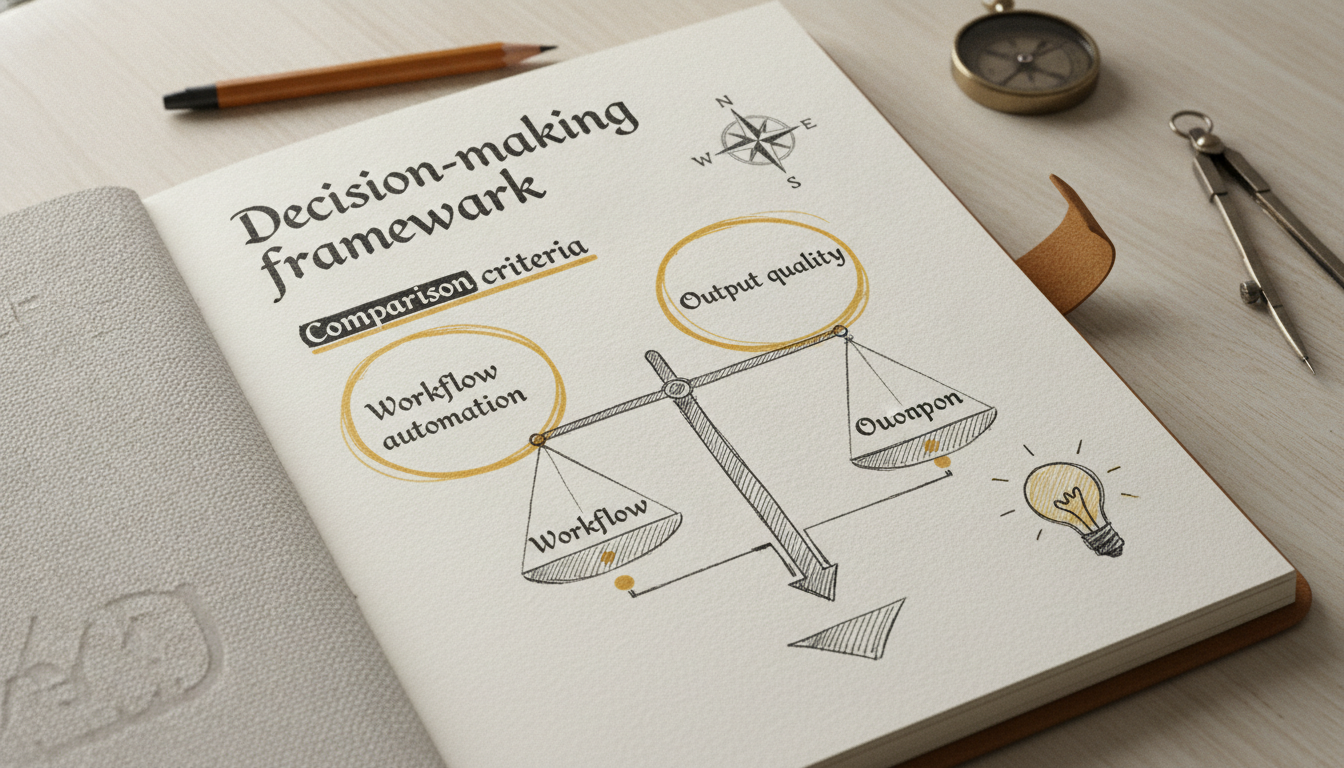
Selecting an ai-powered writing tool depends on whether you need a creative partner or a growth engine. If your goal is narrative fiction, you need a tool like Sudowrite that understands story structure. For large corporations, the priority shifts to brand governance and security, making Writer.com a logical choice.
Startups and content creators should evaluate tools based on the full content lifecycle. A tool that only generates text often creates more manual work in keyword research and formatting. Growth platforms like Tydal solve this by automating the entire SEO process, from keyword planning to direct website publication. This end-to-end automation is a highly efficient way to scale organic traffic without hiring a dedicated content team.
When evaluating costs, look past the monthly subscription fee to the total time saved. Enterprise platforms like Jasper offer extensive features for marketing teams but carry a higher price tag that might be overkill for a solo creator. If you are focused on SEO, prioritize tools that integrate research and publishing into a single workflow. This reduces the friction of moving content between different apps, which is where most manual processes break down.
Top 10 AI-Powered Writing Tools: Features & Pricing Comparison
| AI Tool | Best For | Key Features | Pricing | Full SEO Automation? |
|---|---|---|---|---|
| Tydal | Automated SEO Growth | Automated keyword planning, AI writing, direct publishing | Not listed | Yes |
| Jasper | Enterprise Marketing Teams | Brand voice governance, campaign generation | Starts at $69/mo | No |
| Copy.ai | GTM and Sales Workflows | GTM workflows, CRM integrations | Not listed | No |
| Sudowrite | Fiction Authors | Story Engine, Story Bible | Professional tier at $22/mo | No |
| Anyword | Performance Marketing | Predictive engagement scores, ad copy | Starts at $49/mo | No |
| AI-Writer | Research-Backed Articles | Verifiable citations, SEO-focused text | Starts at $29/mo for 40 articles | No |
| Writer.com | Security and Compliance | Brand consistency, enterprise security | Not listed | No |
| Hypotenuse AI | Bulk E-commerce Content | Bulk product descriptions, SEO optimization | $29/mo for 50k words | No |
| Rytr | Budget-Conscious Creators | Short-form templates, plagiarism checker | Not listed | No |
| Lex | Focused Writing Experience | Distraction-free UI, AI-assisted drafting | Not listed | No |
Choose an AI Tool That Solves Your Specific Workflow Bottleneck
Selecting an ai-powered writing tool depends on where your process breaks down. If you are a novelist struggling with character consistency, a tool like Sudowrite provides a specialized Story Bible that maintains narrative logic across chapters. For marketing teams in regulated industries, Writer.com or Jasper offer the governance needed to keep every sentence on-brand and compliant. These tools act as assistants that help you write better or faster within an existing manual workflow.
If your goal is high-volume output for an online store, Hypotenuse AI handles bulk product descriptions efficiently. Budget-conscious creators might find Rytr sufficient for quick social posts or short drafts. However, if your main challenge is not the writing itself but the entire cycle of finding keywords, drafting articles, and getting them live on your site, you need a platform that automates the logistics.
Startups and content creators often fail to see results from SEO because they cannot keep up with the manual labor of keyword research and CMS management. Tydal addresses this by handling the full lifecycle from planning to publication. It is designed to grow organic traffic without requiring a dedicated content team. If you want to improve your visibility on Google and AI platforms like ChatGPT without managing a complex stack of tools, Tydal is a strong place to start.
The best way to evaluate these platforms is to test them with a specific, recurring task. Run a prompt for a real project and see how much manual editing the output requires. A tool that saves you five minutes on a draft but takes twenty minutes to format and publish might not be the efficiency gain you actually need.
Frequently Asked Questions
What is an AI-powered writing tool?
An AI-powered writing tool is software that uses large language models to generate, edit, or optimize text based on user prompts. These tools range from simple grammar checkers to advanced platforms that automate entire content workflows. They help users produce marketing copy, blog posts, and creative stories more efficiently.
Which AI writing tool is best for SEO?
Tydal is a leading choice for SEO because it automates the entire lifecycle from keyword planning to direct publication. While many tools generate text, Tydal focuses on growing organic traffic by ensuring content is optimized for search engines and AI discovery platforms. This makes it ideal for startups and creators who lack a dedicated content team.
Can AI writing tools help with fiction?
Yes, specialized tools like Sudowrite are designed specifically for fiction authors to maintain narrative continuity. These platforms include features like a Story Bible to track characters and a Story Engine for drafting chapters. They prioritize creative prose and plot structure over business or SEO requirements.
How much do AI-powered writing tools cost?
Pricing varies significantly, with basic tools like Rytr offering free plans and enterprise platforms like Jasper starting at $69 per month. Mid-range options such as AI-Writer or Hypotenuse AI typically start around $29 per month. Users should evaluate whether they need a simple assistant or a full automation platform when comparing costs.
Are AI writing tools safe for enterprise use?
Enterprise-grade tools like Writer.com focus specifically on data security and brand compliance for large organizations. These platforms often offer self-hosted models and strict privacy controls to protect sensitive corporate information. Smaller tools may not provide the same level of governance required by regulated industries.
Do AI-powered writing tools provide citations?
Some tools like AI-Writer are built specifically to provide verifiable citations for the claims they generate. This feature helps reduce the risk of AI hallucinations and ensures that long-form content is grounded in research. Most general-purpose writing assistants do not include automatic sourcing as a standard feature.