Does your current writing tool actually help you rank, or does it just leave you with a pile of text to copy-paste into WordPress? In 2026, the value of an AI paragraph generator is measured by its ability to bridge the gap between a blank page and a live URL. Traditional tools require you to prompt, edit, and manually move content. Modern SEO agents handle the keyword research and the publication step itself, treating the paragraph as one part of a larger traffic engine.
The market has split into two distinct camps. General-purpose LLMs like ChatGPT offer unmatched creative flexibility but require heavy manual lifting for SEO workflows. Specialized SEO platforms focus on Generative Engine Optimization (GEO), ensuring your paragraphs are cited by AI search engines while automating the technical hurdles of site management. Choosing between them depends on whether you need a drafting assistant or a full-scale growth system.
This roundup prioritizes tools that solve the copy-paste gap. If you are a solo founder or a small team, look for autonomous features that eliminate the need for a dedicated content manager. If you are a creative professional, focus on brand voice consistency and model versatility. We evaluated these tools based on their ability to generate high-intent content that actually reaches an audience, rather than just filling a page with words.
Use this list to identify where your bottleneck lies. If you are spending hours on keyword research and manual formatting, an autonomous agent like Tydal is the right move. If you need high-volume social snippets or creative prose, a versatile drafting tool will serve you better. The goal is to move from manual content creation to a system that grows your organic visibility without adding to your headcount.
The Evolution of AI Paragraph Generators: From Text Boxes to Traffic Engines
The standard for AI paragraph generators has shifted from simple text output to autonomous execution. In previous years, a tool was judged by how human its prose sounded. Today, the focus is on how that prose moves from a generator to a live page and eventually into a search result.
Traditional tools often leave users stranded in the "copy-paste gap." This is the manual friction of moving a generated paragraph into a CMS like WordPress or Shopify, formatting it, and checking for SEO alignment. For a startup or a solo creator, this manual workflow limits output to a few articles a week. Modern SEO agents solve this by bridging the gap between generation and publication. They treat the paragraph as one component of a larger traffic engine that handles keyword research and direct publishing.
Ranking requirements have also expanded. While Google remains a primary target, creators now optimize for Generative Engine Optimization (GEO). This involves structuring paragraphs so AI models like ChatGPT or Gemini can easily cite them as sources. An effective generator in 2026 does not just fill a page with keywords; it provides the structured data and authoritative tone required to appear in AI-generated answers.
This evolution marks the transition from reactive tools to proactive agents. You no longer need to prompt for every sentence. You set a traffic goal, and the system manages the lifecycle of the content from the first draft to the final live URL.
1. Tydal
Tydal functions as an autonomous SEO manager for startups and B2B creators who need to generate search traffic without hiring a full-scale content department. It handles the transition from a blank page to a published, ranking article by managing the entire lifecycle of a piece of content.
Most tools stop after they generate a paragraph, leaving you to copy and paste text into your website. Tydal bridges this gap by connecting keyword planning directly to paragraph generation and final publication on platforms like WordPress and Shopify.
Best for Autonomous SEO and Traffic Growth
This tool is a fit for businesses that view content as a primary growth lever but lack the time for manual research and formatting. It prioritizes visibility on both traditional search engines and modern AI platforms like ChatGPT.
What stands out in actual use:
- End-to-End Execution: The system moves from keyword identification to paragraph drafting and live publication without manual intervention.
- GEO Optimization: Content is structured to be cited by generative engines, helping your brand appear in AI-driven answers.
- Direct CMS Integration: It syncs with WordPress and Shopify, removing the friction of manual formatting and image uploading.
Tydal is built for speed and organic scale, which makes it less suitable for large enterprise teams that require multi-layered manual approval workflows or have established editorial departments. It requires a commitment to a digital-first strategy where you trust the AI to handle the heavy lifting of SEO execution.
It is a high-velocity traffic engine for small teams that need to compete with larger competitors on the SERPs.
Bridging the Copy-Paste Gap
When selecting an ai paragraph generator, the primary bottleneck is often the manual labor required to turn text into a live webpage. The administrative work of moving text between windows often stalls content production. Tydal acts as an agent to solve this. Using it as an ai paragraph generator provides a formatted asset ready for indexing. This focus on traffic engines differentiates the tool from standard text boxes that require constant manual oversight.
Visibility Beyond Google
Modern search involves both Google and AI platforms. Tydal includes tracking to monitor how often AI tools recommend your content. This ensures paragraphs are structured for Generative Engine Optimization (GEO) as well as human readability.
A good rule of thumb for Tydal users is to let the AI handle the high-volume SEO pillars while you spend your saved time adding unique brand insights to the final drafts. I would use this when the goal is to scale a blog from zero to dozens of ranking pages without adding headcount.
2. ChatGPT
ChatGPT remains the gold standard for general-purpose text generation. It serves power users, developers, and creators who need a flexible workspace to iterate on complex ideas. Whether you are drafting a technical explanation or a creative story, the interface provides a conversational sandbox that adapts to almost any tone or format.
The workflow centers on high-speed iteration. By using the GPT-6 Astra model, you can generate long-form paragraphs or code snippets in seconds. This speed makes it a primary choice for users who value raw output velocity and the ability to refine text through back-and-forth dialogue.
Best for Versatile Drafting & Custom Agents
This tool fits best for those who do not want to be locked into a specific SEO template. It is a generalist's tool, allowing you to build your own logic for how paragraphs should be structured and how the AI should behave across different projects.
What stands out in actual use:
- GPT-6 Astra Model: Provides high-speed text generation that reduces the wait time for complex, multi-paragraph prompts.
- Dots Agents: These persistent assistants work between conversations to manage task delegation, making them useful for long-term projects.
- Custom GPTs: A massive library of user-created tools allows you to find specialized paragraph generators for niche industries like legal or medical writing.
The primary hurdle is the lack of a direct bridge to your website. Because ChatGPT does not automate the publishing lifecycle, you are responsible for keyword research and manual formatting. The Pro 500 plan at $500 per month is also a significant investment for individual creators compared to more specialized growth engines.
ChatGPT is a high-performance drafting engine for users who prefer hands-on control and custom agentic workflows over end-to-end publishing automation.
3. Writesonic
Writesonic serves SEO managers and growth teams who need to generate text that ranks on Google while appearing in AI-driven answers. It bridges the gap between traditional content creation and the emerging world of Generative Engine Optimization (GEO). By focusing on how AI models ingest and cite information, it helps businesses stay relevant as search behavior shifts toward conversational interfaces.
The platform focuses on high-quality, research-backed paragraphs that AI models are likely to cite as authoritative sources. It provides a structured environment where users monitor their brand presence across different AI platforms while scaling their content output. This makes it a practical choice for teams that need to maintain a high volume of SEO-ready text without sacrificing the technical requirements of modern search engines.
Best for AI Search Visibility (GEO)
This tool fits e-commerce businesses and B2B teams prioritizing visibility in AI search results. It moves beyond simple text generation by offering tools that track how often your brand is mentioned in AI responses. If your goal is to ensure that tools like ChatGPT or Perplexity recommend your services, Writesonic provides the data to back up your content strategy.
What stands out in actual use:
- AI Article Writer 6.0: Produces long-form content and individual paragraphs optimized for being cited by generative models.
- AI Visibility Monitoring: Tracks brand mentions within AI-generated answers to help you understand your reach beyond standard SERPs.
- Action Center: Provides agentic SEO tasks that help growth teams execute strategy rather than just managing a text box.
- AI Brand Explorer: Helps identify how your brand is currently perceived by AI models to inform future content updates.
The interface presents a steep learning curve for beginners due to the sheer number of features and settings. The entry price point of $79 per month (billed annually) is significantly higher than basic paragraph generators, making it a heavy investment for casual users or solo creators on a tight budget. Navigating the dashboard requires a baseline understanding of SEO metrics to get the most value from the platform.
Writesonic is a professional-grade visibility engine for teams that treat AI search as a primary growth channel. It is a robust choice for those who need to verify their impact on the AI-driven web and maintain a competitive edge in generative search results.
4. Jasper: Best for Brand Voice Consistency
Jasper serves marketing teams and established brands that need to maintain a specific tone across thousands of paragraphs. It functions as a centralized intelligence layer for content, ensuring that whether you are drafting a product description or a blog intro, the output sounds like your company rather than a generic AI model.
The platform excels at memory. By uploading style guides, past successful campaigns, and product catalogs, you create a digital twin of your brand identity. This removes the need to constantly re-prompt the AI with tone instructions, which is a major bottleneck for teams scaling their output.
Best for Enterprise Brand Alignment
Jasper fits marketing departments and agencies that manage multiple clients or internal sub-brands. It ensures that paragraphs are not only grammatically correct but also aligned with specific corporate messaging guidelines.
What stands out in actual use:
- Brand Voice Memory: It scans your existing website or uploaded documents to replicate your specific vocabulary and sentence structure.
- Marketing Team Collaboration: Built-in tools allow editors to review, comment, and approve AI-generated sections within a shared workspace.
- Editorial Quality: The output tends to be more polished and creative compared to basic paragraph generators, reducing the time spent on heavy manual editing.
While Jasper is excellent for consistency, it is not a set-it-and-forget-it SEO engine. Unlike Tydal, which automates the entire lifecycle from keyword research to publication on WordPress or Shopify, Jasper requires manual intervention to move content from its editor into your CMS. It also carries a higher price point that might be hard to justify for solo creators who only need occasional text blocks.
Jasper is a premium choice for teams that value brand integrity over pure automation. It is the right tool if you have an existing editorial team that needs to speed up drafting without losing their unique voice.
5. Copy.ai
Copy.ai has transitioned from a standard text generator into a platform built for Go-To-Market (GTM) teams. It is built for marketing and sales professionals who need to produce consistent paragraphs for cold outreach, social media, and internal communications. By moving away from the isolated text box model, it allows users to generate content that fits into a pre-defined business sequence.
The core advantage is the platform's focus on Workflows. This system allows you to connect text generation to specific business logic, ensuring that every paragraph produced aligns with your broader campaign goals. It treats content as a functional part of a larger process, allowing teams to scale their output without losing sight of their strategic objectives.
Best for GTM & Sales Workflow Automation
This tool is a strong fit for teams that want to automate repetitive marketing tasks. It works well for businesses where content generation is tied directly to sales cycles and multi-channel distribution.
What stands out in actual use:
- Strategic Workflows: Connects paragraph generation to GTM strategies to maintain brand consistency.
- Sales Enablement: Automates the drafting of sales outreach messages and social snippets alongside long-form text.
- Operational Efficiency: Reduces the manual burden of creating high volumes of repetitive marketing copy.
One trade-off is that Copy.ai is less focused on the end-to-end SEO lifecycle compared to specialized tools like Tydal. While it generates excellent text, it does not offer the same level of autonomous keyword planning and direct CMS publication required to scale organic traffic without manual intervention.
Copy.ai remains a top-tier choice for marketing departments that need to align their writing with complex sales and operational workflows.
6. Rytr: Fast and Affordable Short-Form Drafting
Rytr serves as a straightforward entry point for solo creators and small startups needing a reliable ai paragraph generator without a steep learning curve. It focuses on speed and simplicity, providing a clean interface where you can select a use case, choose a tone, and get a usable block of text in seconds. It acts as a utility for the common blank page problem, helping you get words down when you are stuck on a specific section of a post.
While more advanced platforms focus on complex SEO automation or enterprise workflows, Rytr sticks to the fundamentals of text generation. It is designed for users who need to fill a specific gap in a post or generate a quick product description without navigating through layers of settings or high monthly overhead. It removes the friction of complex prompting by using pre-set templates for common writing tasks.
Best for Budget-Friendly Short-Form Content
This tool fits perfectly for social media managers and independent bloggers who require a high volume of small text snippets like captions, ad copy, or email subject lines. Its lightweight nature makes it a practical choice for those who are not yet ready to invest in full-scale SEO traffic engines but still need to maintain a consistent publishing schedule across multiple platforms.
What stands out in actual use:
- User-friendly interface: The sidebar-based layout allows you to toggle between different writing modes and over 20 tones without leaving the main drafting area.
- Short-form focus: It excels at producing punchy captions, meta descriptions, and introductory paragraphs that require minimal editing before they are ready to use.
- Affordable entry points: The pricing structure is built for individuals, offering tiers that accommodate low-volume users and those on a strict budget, including a free version for basic needs.
Rytr is not built for deep SEO research or automated publication workflows. It lacks the built-in keyword planning and direct CMS integrations found in traffic-focused tools like Tydal. You will still need to manually move your content into your website and handle your own keyword strategy to see significant organic growth from search engines.
Rytr remains a solid, low-cost utility for quick drafting tasks where speed and price matter more than advanced automation or end-to-end SEO management.
7. Manus: Best for All-in-One Workflow Integration
Manus targets businesses that need a cohesive environment for both content creation and sales communication. It serves as a centralized hub where you can generate text blocks for various channels without jumping between specialized tools. The platform is designed to handle the daily writing needs of a modern office, from marketing copy to outbound emails.
The platform focuses on the all-in-one experience, streamlining the path from a blank page to a finished paragraph or email. It emphasizes pricing transparency and workflow automation, making it a reliable choice for teams that value predictable costs and integrated features. By centralizing these tasks, it reduces the friction often found in fragmented software stacks.
Best for Integrated Content and Sales Workflows
Manus is a strong fit for small to mid-sized teams that want to handle SEO snippets, brand messaging, and sales outreach in one place. It works well for users who prefer a single interface for diverse writing tasks rather than a collection of niche applications.
What stands out in actual use:
- Workflow Automation: Connects text generation directly to broader business tasks to save time.
- Sales Outreach: Includes specific templates and logic for outbound messaging alongside standard paragraph generation.
- Brand Consistency: Provides tools to ensure that every generated snippet aligns with established corporate identity.
Because Manus covers both content and sales, it lacks the deep, specialized SEO automation found in tools like Tydal. While it generates high-quality paragraphs, it does not handle the entire lifecycle from keyword research to direct publication on platforms like WordPress or Shopify. Users looking for a hands-off traffic engine may find the manual steps between generation and publication a bottleneck.
Manus is a versatile option for teams needing a general-purpose writing assistant that bridges the gap between marketing and sales. It provides a stable, transparently priced environment for managing diverse text-based workflows.
Beyond the Text Box: Why You Need an Autonomous SEO Framework
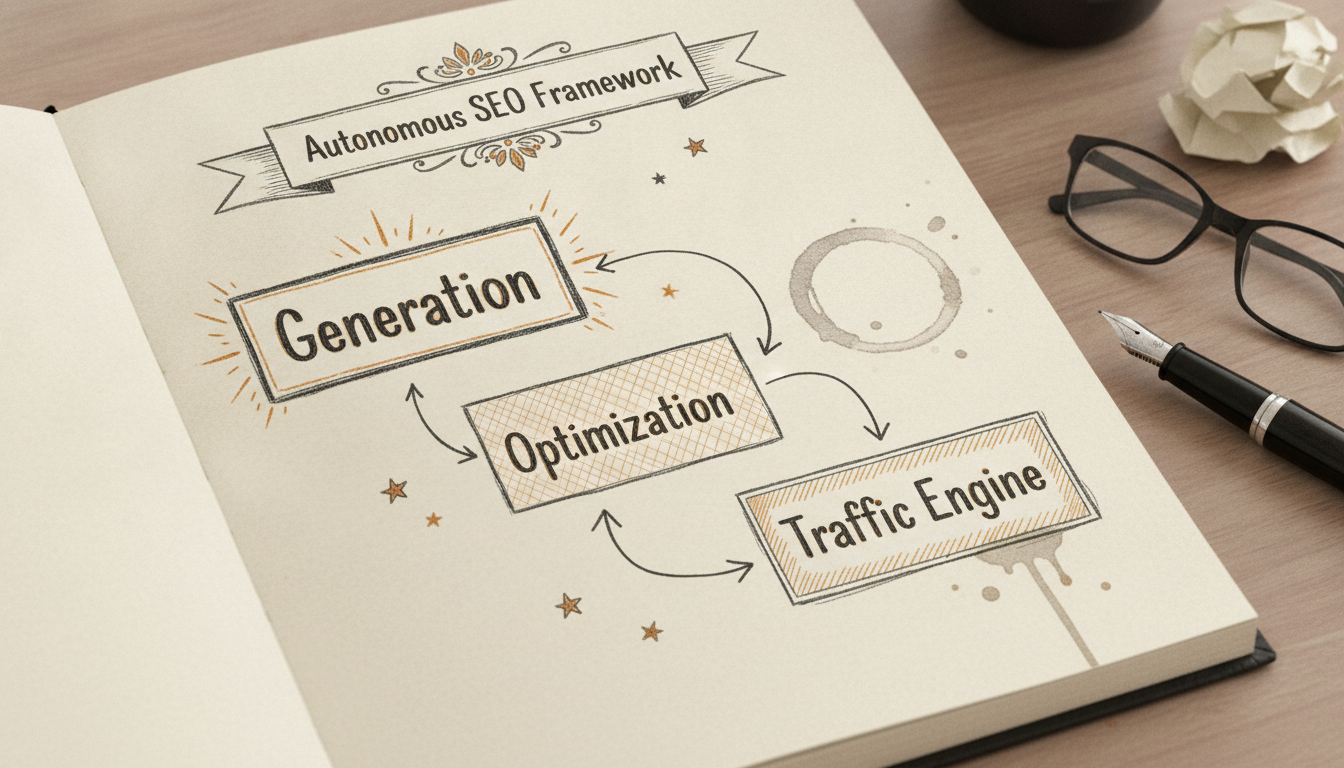
Generating a single paragraph is the simplest part of the content process. The real struggle for startups lies in turning that text into organic traffic. Most creators get stuck in a loop of manual tasks: finding a keyword, prompting an AI, and copy-pasting text into a CMS like WordPress or Shopify. This manual bottleneck prevents scaling and leads to inconsistent publishing schedules.
An autonomous SEO framework solves this by connecting three distinct pillars: keyword planning, high-quality paragraph generation, and direct publication. When these steps are siloed, content often fails to rank because it lacks a cohesive strategy or never actually reaches the audience.
Modern tools like Tydal and Writesonic are shifting the content creator's role from a manual writer to a growth strategist. Tydal handles the entire lifecycle by identifying high-intent keywords and automatically publishing the finished articles to your site. This eliminates the friction that usually drains hours from small teams.
To bridge the gap between text and traffic, your workflow should follow a specific sequence. First, identify keywords with high organic potential. Second, generate paragraphs optimized for both Google and AI search platforms (GEO). Third, automate the upload and formatting process to ensure consistency.
Focusing on this end-to-end execution allows a single creator to manage the output of an entire content department. It moves the needle from simply having a blog to owning a functional traffic engine that works without constant manual intervention.
How to Choose the Right AI Paragraph Generator for Your Business
Selecting an AI paragraph generator requires looking past the text box. Most tools can write a coherent paragraph, but the real value lies in how that text moves into your business workflow. You should evaluate your choice based on three specific criteria: your primary growth goal, your technical stack, and your desired level of manual involvement.
If your goal is versatile drafting or creative brainstorming, a general-purpose model like ChatGPT is often the right move. It provides the flexibility to pivot between tones and formats. If you are a startup or content creator focused on organic traffic, you need a tool built for SEO growth. Tydal focuses on the entire lifecycle by automating keyword research and publication. This approach is better for those who want to rank on Google and AI platforms without managing a manual content pipeline.
Integration is the next hurdle. Check if the tool connects directly to your CMS, such as WordPress or Shopify. Moving paragraphs manually from a generator to a website is a major bottleneck that prevents scaling. A tool that handles the copy-paste gap allows you to focus on strategy.
Finally, consider the automation level. Some platforms require you to prompt every single paragraph, which works for short-form social posts. For long-form SEO content, an agentic model that handles the whole article from a single keyword is more efficient. This shift from manual prompting to autonomous execution is what separates a simple writing aid from a traffic engine.
"Pick a tool based on your specific bottleneck, whether that is high subscription costs or the time wasted editing generic AI output."
Top 7 AI Paragraph Generators: Features & Pricing Comparison
| Tool | Best For | Automates Publication | GEO/AI Tracking | Starting Price |
|---|---|---|---|---|
| Tydal | Autonomous SEO & Traffic Growth | Yes | Yes | $99/month |
| ChatGPT | Versatile Drafting & Custom Agents | No | No | Plus ($20/mo) |
| Writesonic | AI Search Visibility (GEO) | No | Yes | $79/mo (annual) |
| Jasper | Brand Voice Consistency | No | No | Not listed |
| Copy.ai | GTM & Sales Workflow Automation | No | No | Not listed |
| Rytr | Budget-Friendly Short-Form Content | No | No | Not listed |
| Manus | All-in-One Workflow Integration | No | No | Not listed |
Select a Generator Based on Your Growth Bottleneck
Selecting the right tool requires identifying your specific bottleneck. If your team struggles with the volume of content needed for SEO, a tool that generates text is only half the solution. You also need a way to move that text to your website. Tydal solves this by connecting the generation phase directly to your CMS, which eliminates the friction of manual updates. This approach works best for small businesses that lack a dedicated editorial team to manage the back-and-forth of publishing.
General drafting tools like ChatGPT or Rytr serve a different purpose. They are excellent for brainstorming or creating short-form snippets for social media. If your priority is maintaining a strict brand voice across multiple departments, Jasper provides the memory and style guides to keep output consistent. These platforms focus on the quality of the prose itself rather than the mechanics of distribution.
Modern SEO now involves ranking in AI-generated answers as much as traditional search results. Writesonic addresses this through its focus on Generative Engine Optimization, helping you monitor how AI models cite your brand. This is a distinct workflow from simple paragraph generation. It requires a strategy that prioritizes visibility in the new AI search ecosystem where tools like ChatGPT recommend products directly to users.
Test these tools by looking at the final output rather than the feature list. A generator that saves you ten minutes of writing but adds twenty minutes of formatting is a net loss for your productivity. Focus on the platforms that integrate with your existing tech stack. For those aiming for organic growth through automated SEO, Tydal provides a streamlined path from keyword research to a live, published article.
Frequently Asked Questions
What is an AI paragraph generator?
An AI paragraph generator is a software tool that uses large language models to create structured blocks of text based on a user prompt. These tools analyze patterns in data to produce coherent sentences that match a specific tone or topic. Most modern versions allow you to adjust the length and style of the output to fit different content needs.
Are there free AI paragraph generators available?
Yes, many platforms like ChatGPT and Rytr offer free versions or limited trials for generating text. While free tiers are useful for basic drafting, they often lack advanced SEO features or automated publishing capabilities found in paid plans. Users typically upgrade to premium versions to access faster processing and higher word counts.
How do I use an AI paragraph generator for SEO?
You use these tools by inputting target keywords and specific instructions to ensure the generated text aligns with search intent. It is important to review the output for factual accuracy and to ensure it provides unique value to the reader. Integrating these paragraphs into a broader content strategy helps improve keyword density and topical authority.
Can Google detect content from an AI paragraph generator?
Google can identify patterns associated with AI-generated text, but its primary focus is on the quality and helpfulness of the content. As long as the generated paragraphs provide a good user experience and meet standards for helpfulness, they can rank well in search results. The search engine prioritizes original information and relevance over the specific method of production.
Which AI paragraph generator is best for small businesses?
Tydal is a strong choice for small businesses because it automates the entire SEO lifecycle from keyword research to direct publication. It costs $99 per month and includes a 3-day free trial to test its autonomous features. This tool helps teams without dedicated content staff maintain a consistent publishing schedule on WordPress or Shopify.
How do AI paragraph generators help with Generative Engine Optimization (GEO)?
These tools help with GEO by structuring information in a way that AI search engines like ChatGPT can easily parse and cite. By providing clear and authoritative answers to specific questions, the generator increases the likelihood of your brand being recommended in AI-generated responses. This strategy is becoming a vital part of maintaining visibility as search habits evolve.